Tuesday, January 23, 2007

FengYun 1C FY-1C debris


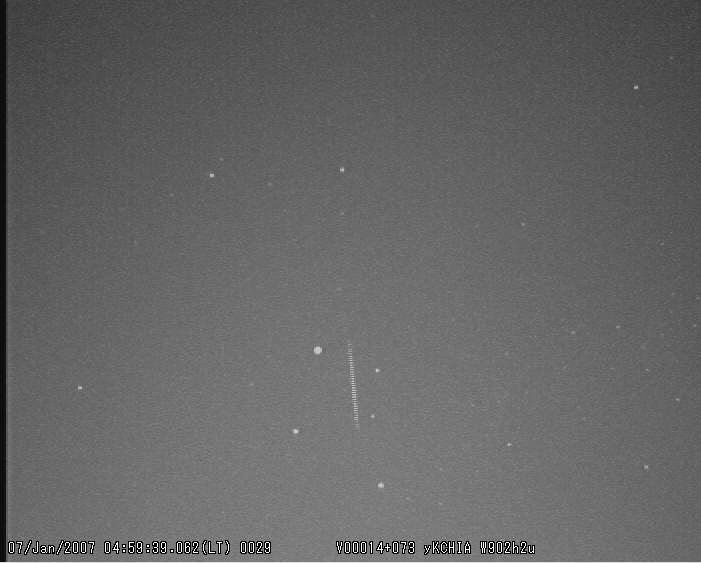
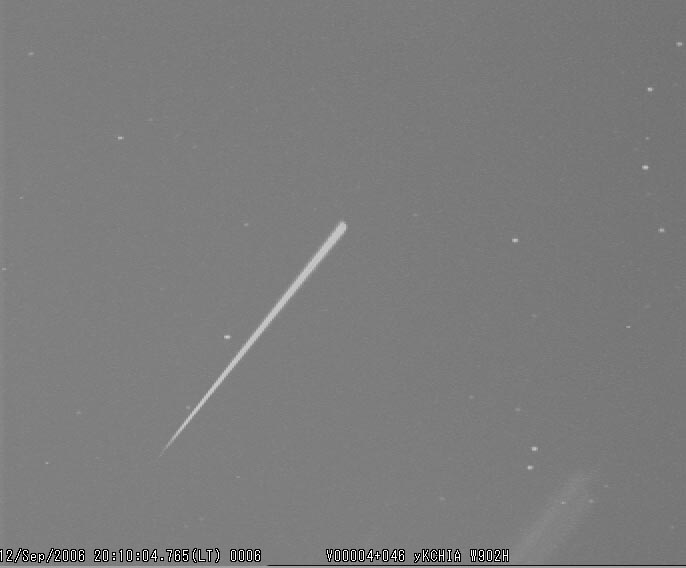
China kill vehicle destroyed FengYun 1C - an old polar orbit weather sat and created swarms of space debris. The cataloged entries move across our morning sky 5am-6am . They are faint 6+-7+ magnitudes. Note the apparent parallel tracks. You can just make out the Crux on the lower right hand corner.

Monday, January 22, 2007

86-019AG flashes in Centaurus 1/22/2007 am

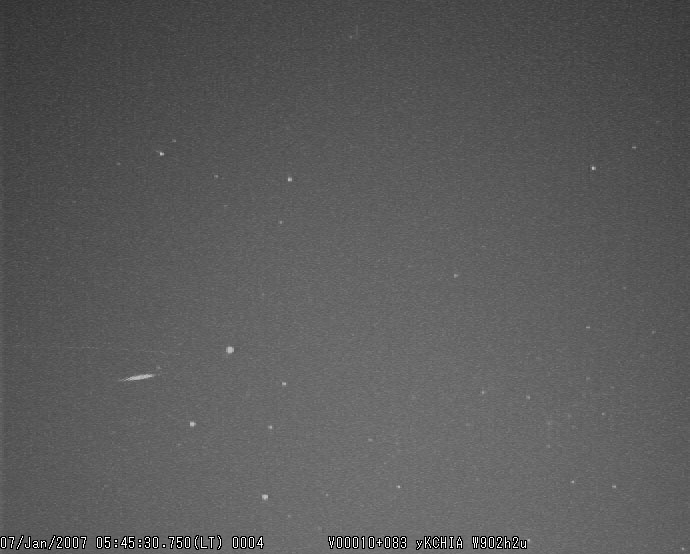
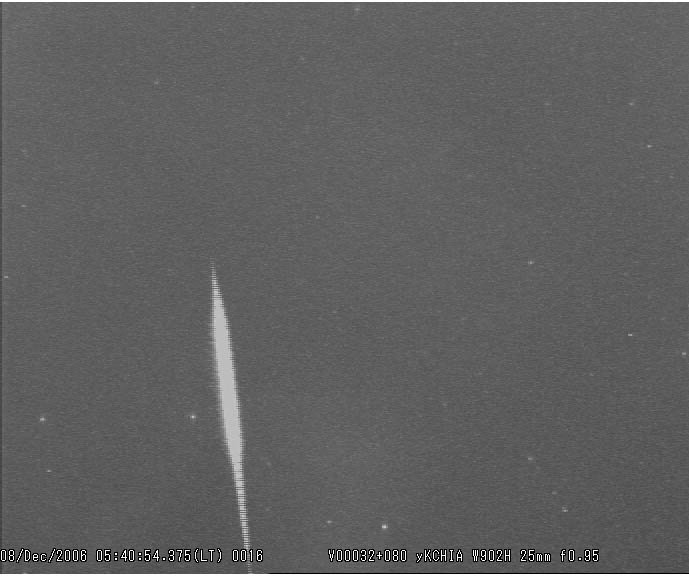
While warming up to prepare to watch Fengyun 1C debris.. I lost myself and ended up bagging this fast flasher 86-019AG in 75mm f1.4 using watec-902H2Ultimate. PPAS database indicate s a single entry (reproduced below).


Designtn Date Time Obsr Durtn Acc Num Per Remarks
86- 19AG 97-11-13 18:32:05.7 RE 3

The actual flash patterns look complex.. a quick series of twinking to max brightness
and dim down.. ( click the image to have a close look). Video on archive.
Skymap Plot showing the south-bound debris and the general star field
( larger than the 75mm lens).

Thursday, January 18, 2007

slow meteor pass through Columba - Dove

I was reading a book on Darwin when i noticed 'activity' on my screen. A slow meteor just pass through the tiny constellation of Columba - the dove.

Tuesday, January 16, 2007

C/2006 P1 ... I need a clear sky

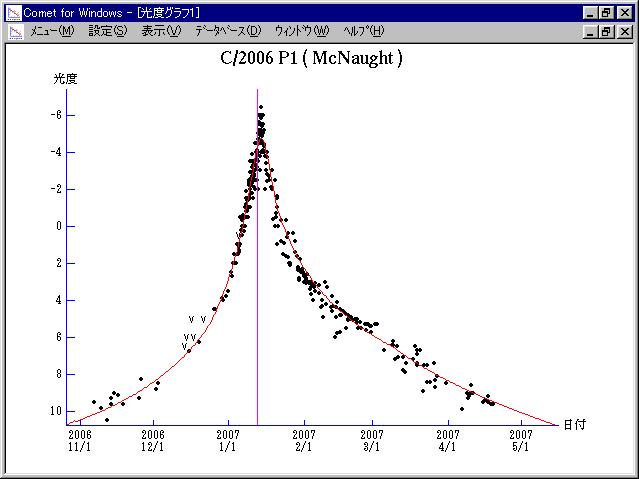
Comet McNaught was is a 'day' event reported on Sunday onwards.... and see the incredicle actual light curve here . This is my first time I bring along my 10 x50s, camera tripod and a small digicamera S3 Canon plus the orientation chart a AM and PM plot of comet-sun configuration to work today. But the sky was cloudy and transparency sucks...


How often do you have a chance to view a celestrial object during the the day ? Discounting the obvious sun and moon of course. A comet !!! during noon!!! Even for Venus I only tackled that once from Mt Victoria, Wellington, NZ in deep blue sky 1979 naked eye.

Whatever you do please be careful, dont look into the Sun nearby.

Saturday, January 13, 2007

Comet C/2006 P1 McNaught


This Singapore Western horizon around 1/13 7:15pm with Sun just below the horizon. Positions plot of the C/2006 P1 is shown over the rest of the month. Comet is low in the horizon. Use Venus as a guide and sweep this region with a high power pairs of binocular to aid in finding the comet. ( FOR SAFETY do not do this if sun is above horizon)

Sunday, January 07, 2007

Meteor Jan 6/7


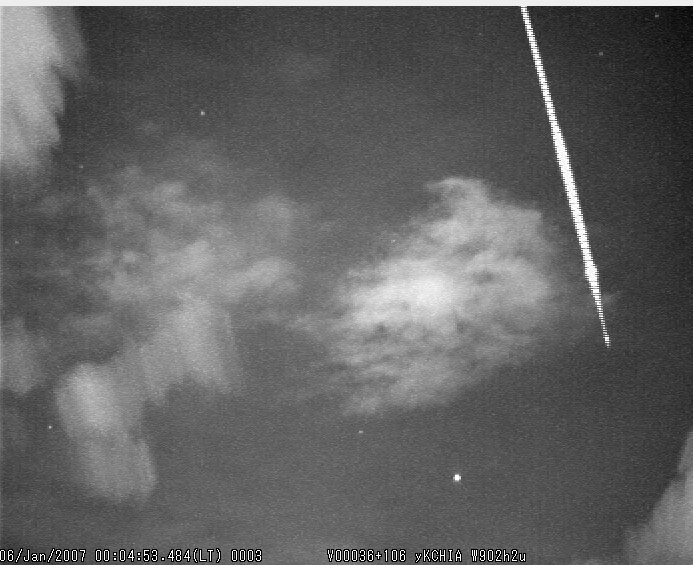
Great mass of clouds and a tiny near- vertical meteor
detected on the little clear patch of sky left on lower right corner


With clouds rolling past - i centred the 12mm f1.4 lens on the brightest star- Canopus in SE around 8:00pm. After some time i shifted FOV and I immediately saw a quick succession of tracking boxes - tell tale signs a moving object was preceding it. It was a meteor around 8:30pm. Soon more clouds closing in. A meteor zapped past near Crux the Southern Cross.

However in between there were clear patches. VideoLM was +4.9. Then a little while later a short 'tadpole' size meteor caught my attention. On AVI playback, it looked like a falling water droplet filmed in slow motion - i saw the beginning thin 'line' developed and slowly break off from the front teardrop mass. I set my alarm at 4:30am so that if the pc for some reason hung up again at least i can restart the UFOprogram. I woke up and recentred the FOV again, Another meteor right inside the Crux

the pc didnt hang (yet) and from then till 6:48am the system detected several meteors with rising Southern Cross as backdrop. While the pc is doing its meteor detection i was reading Peter Raby's biography on "Afred Russel Wallace - A Life " and I finished the book around 8:00am and went back to sleep. Now i know Wallace a little better than the famous demarcating Wallace's line. There was an entry that he saw Pole Star near the horizon in his Amazon adventure. I counted 14 meteors in total - didnt bother with plotting since no significant showers members expected.

Saturday, January 06, 2007

my first Meteor in 2007


I left the video system on with a 12 mm f1.4 video lens and the new watec 902H2 Ultimate ( Hi-gain). My first meteor of 2007 (above) soon appear after midnight. The bright star in the lower is Canopus and tau Puppis [mag 2.94] at 10 o'clk position.

The prime reason of getting this watec model is to get a deeper LM penetration and I am happy that the noise level is pretty low even at this HI-GC setting).

Tuesday, January 02, 2007

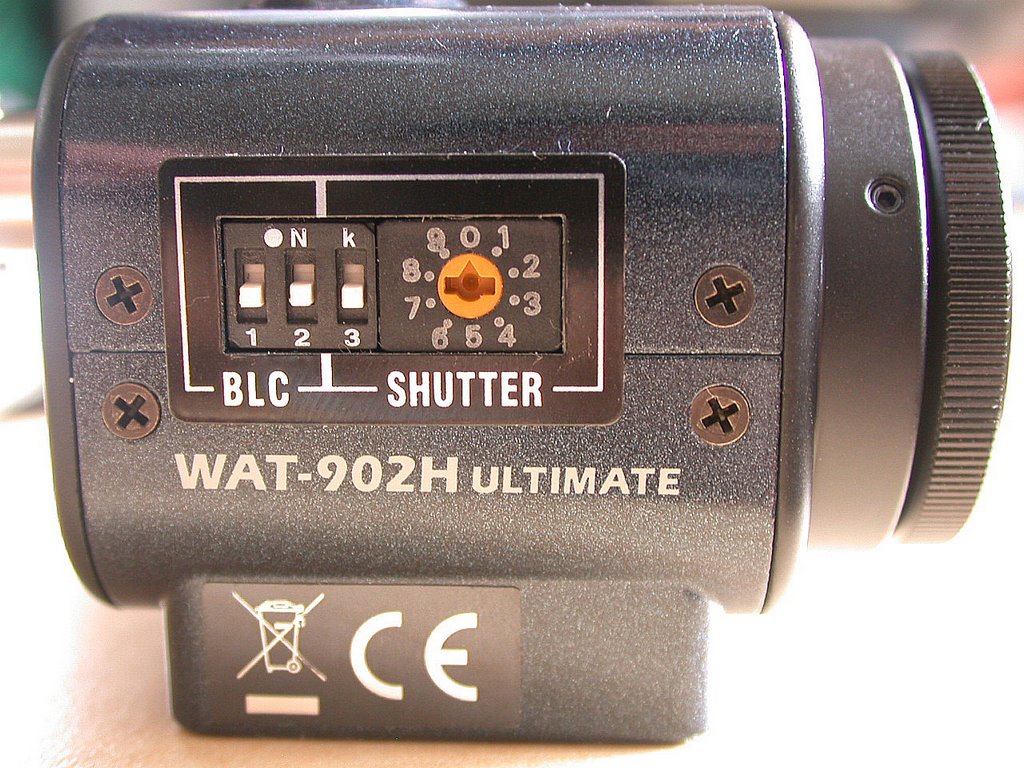
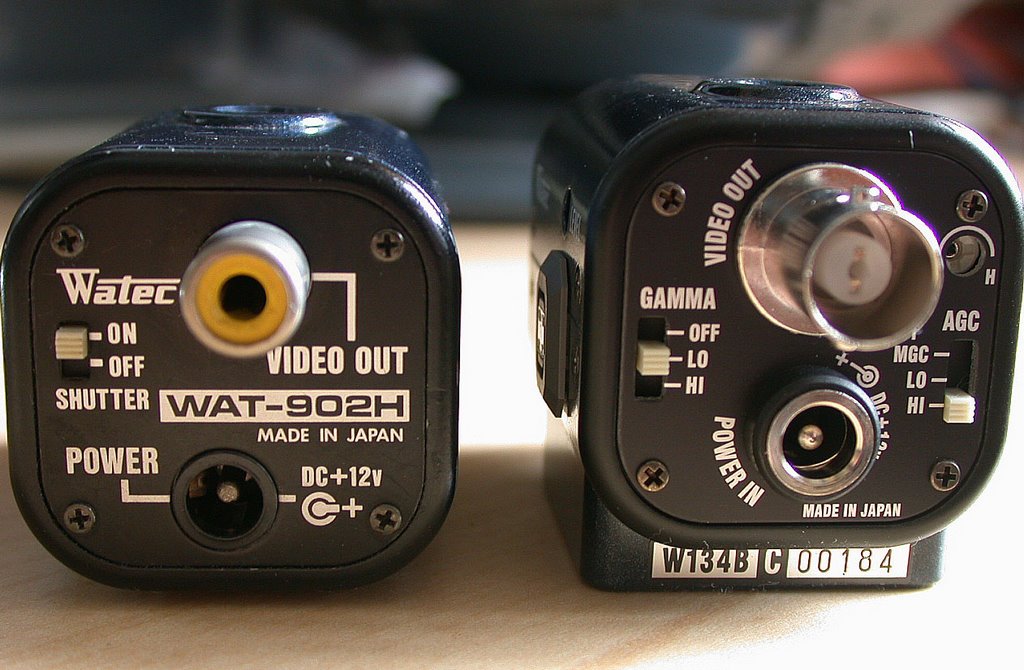
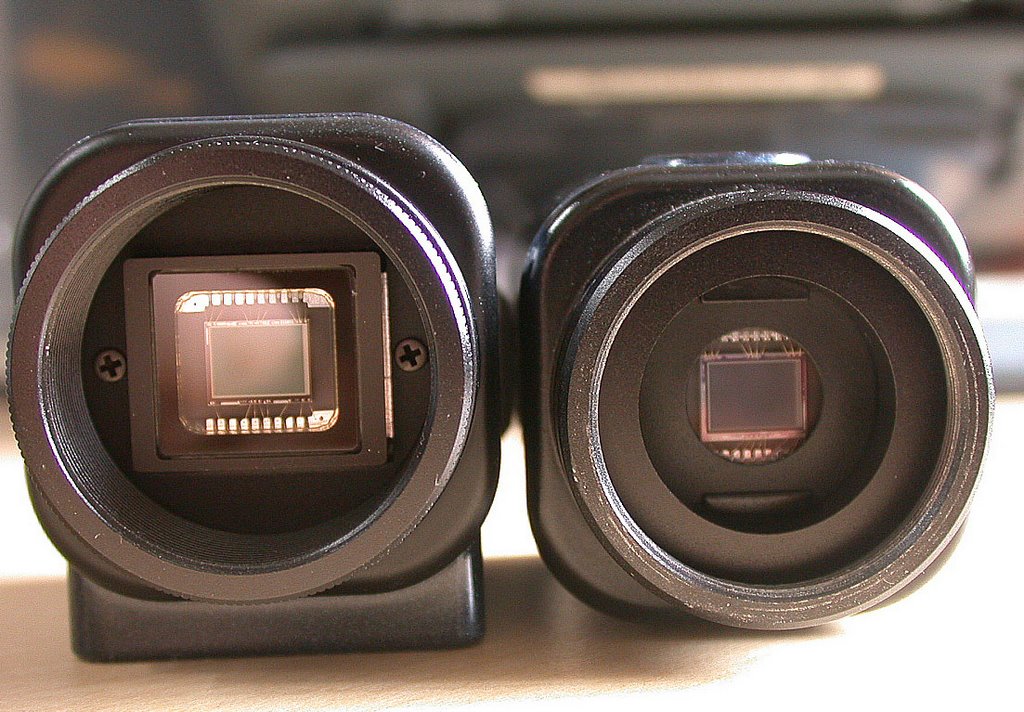
Old vs New ( watec 902H vs 902H2Ultimate)

Wat-902H2(Ultimate) [2= 1/2" 3=1/3" ccd]
S$480.00

Note the Medium-Low-High Gain control on the new watec on the right.


Frontal view
Left: Watec-902H2, Right: Watec-902H

Wednesday, December 13, 2006

Geminids Dec 13 2006 - AM hrs


Geminids Active! I left my lens at Elevation of 52 d and AZ of 208d(SW) and got x17 meteors from 0 hrs to 6:30am. Majority of them are GEMs - Geminids...

Thursday, November 30, 2006

Nov30 '06 - x26 meteors

26 meteors were detected ( 0 hr- 06 hr)
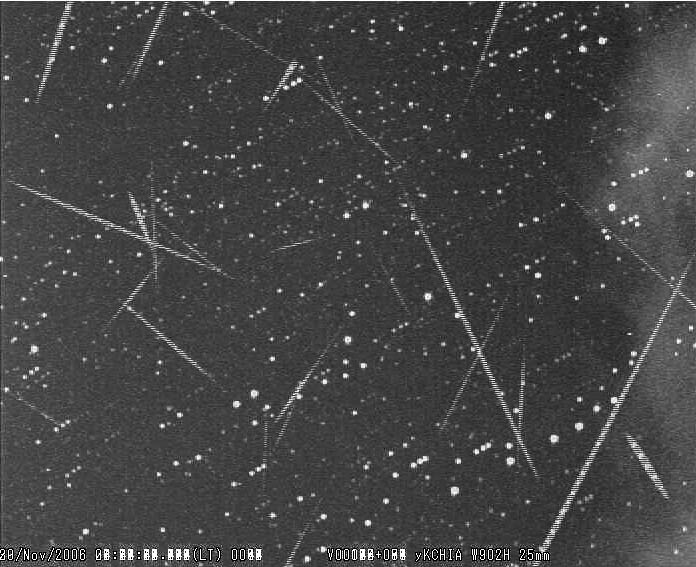
The east-to-west drift of the stars across static video camera's FOV( field of vision) was very apparent in this stacked x26 still images. Meteors come and go and those crossed the FOV got registered.

Monday, November 27, 2006

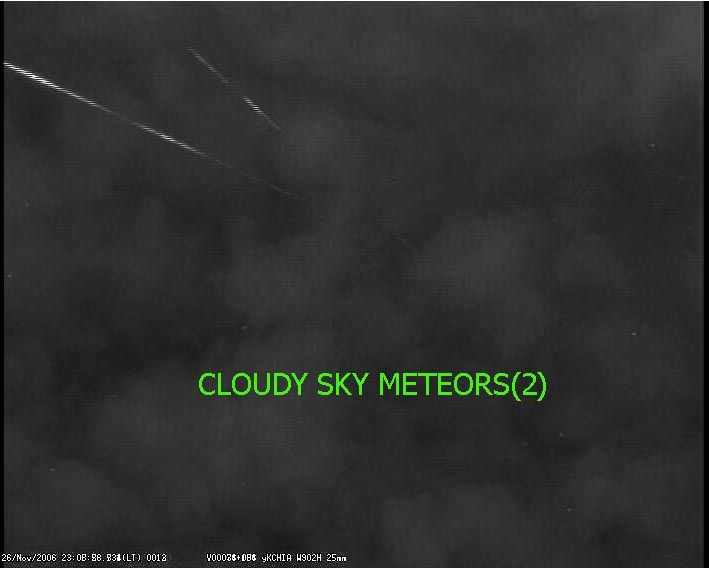
cloudy sky meteors (2)


23:0528, 23:08:56 ... two meteors zapped pass the cloudy sky within 3 minutes of each other in the 10x12 degree FOV...

Sunday, November 19, 2006

Nov 19 2006

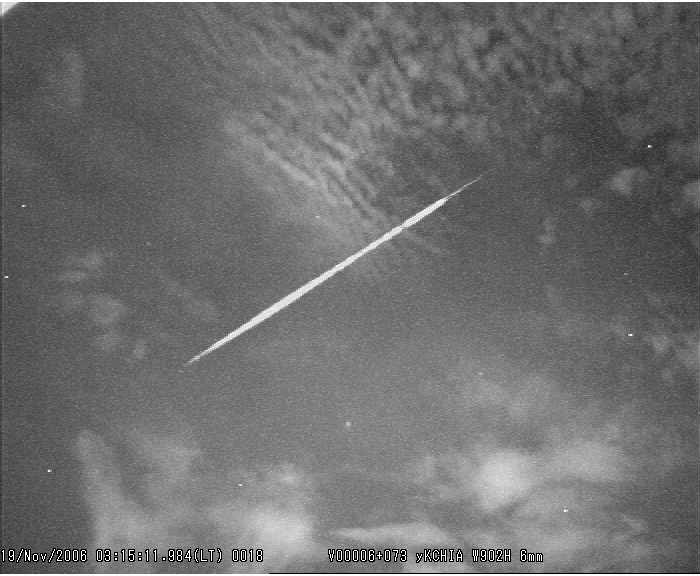
A stack of 4 meteors streaks and x2 satellite flashes. ( A day before 11/18am I had similar detection of a bright naked-eye flasher satellite from 'below' Rigel towards Sirius. Perhaps the same object at work) 11/19 sky was bad.


A nice slow short tail meteor transversed diagonally in 6mm FOV. Note the varying light envelope as it descended through our protective atmosphere.

Thursday, November 02, 2006

First Sprite detected early am Nov 02 '06

I thought the heavy afternoon downpour helped to clear up the sky and let some meteors through. So I left the 6mm- watec 902H video system running.

Result: a handful of meteors and other 'white-outs' due to lightning flashes. The detection sw was aborted prematurely as I ran out of hard disk space around 4:15am. But X 1 frame stood out and I recognised it right away - it was a Sprite!

This is a single frame occurrence 4/100 sec

Altitude ~ 20 degree, Azmuith= ~194 degree seen from Woodlands. Stars were twinkling then. A 'daylight view' insert to show approx detection position.

CLICK image for at a larger view. VIDEO added. To read more on sprite captured by highspeed camera elsewhere


Tuesday, October 03, 2006

Oct 03 - Luna continued

I have to wait for
the zenith moon to set
a little before the luna
can appear
in my c8.

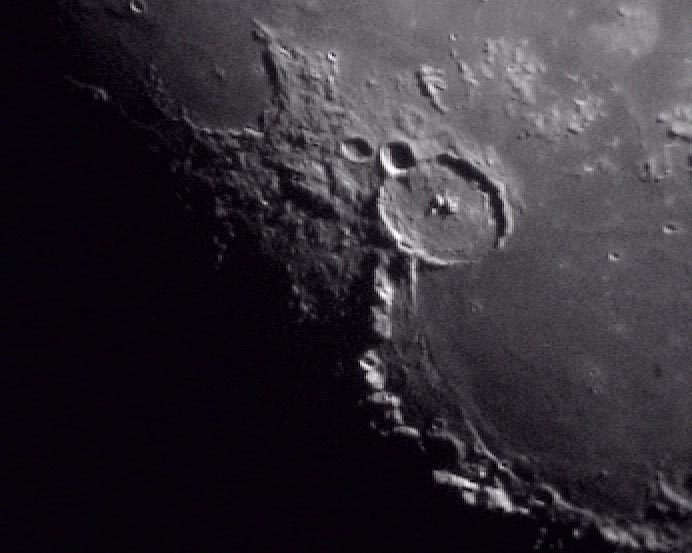
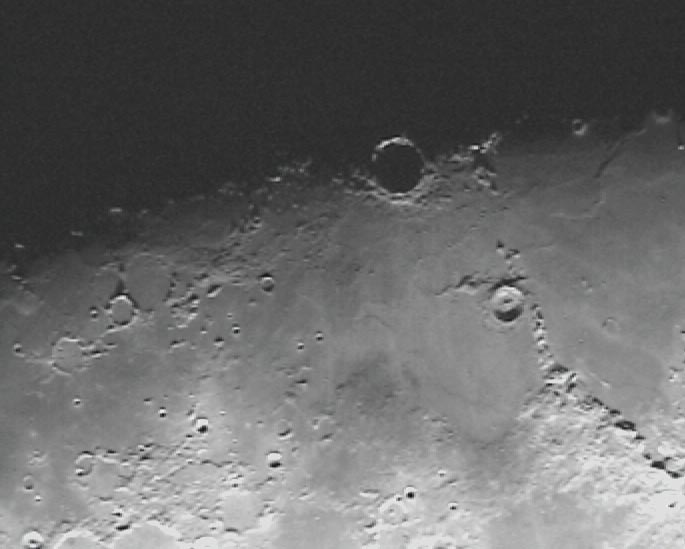
Elongated crater - SchillerGassandi and Mare Humorum

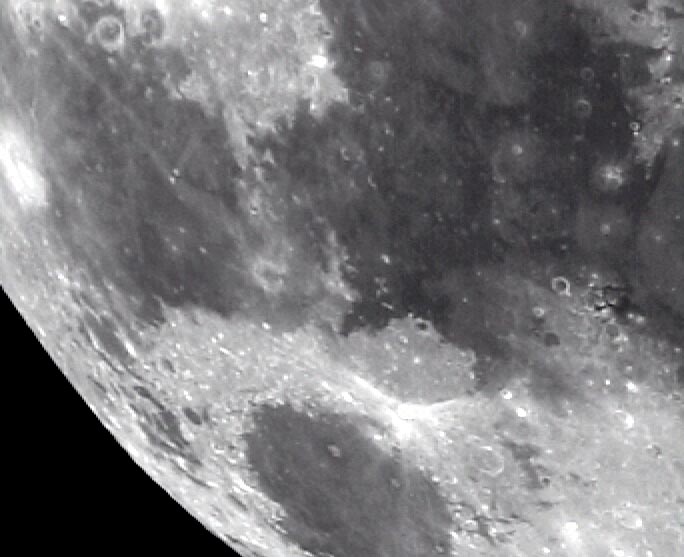
'Star field' in luna...?
just imagine the dark areas are dark nebula...
the bright tiny craters are stars...


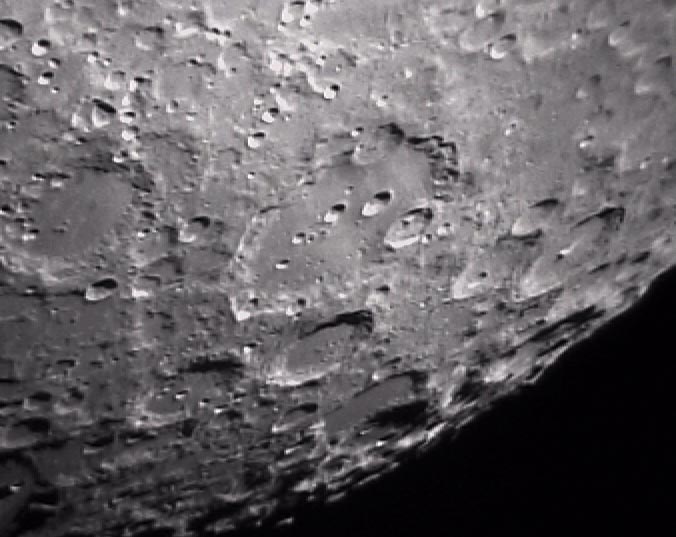
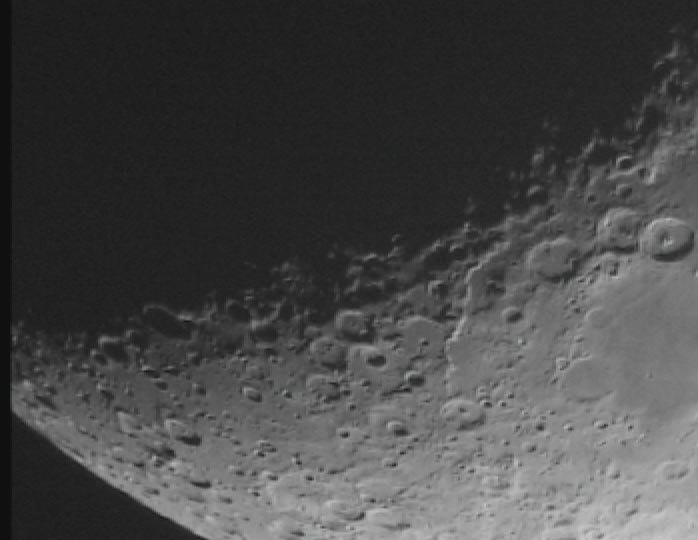
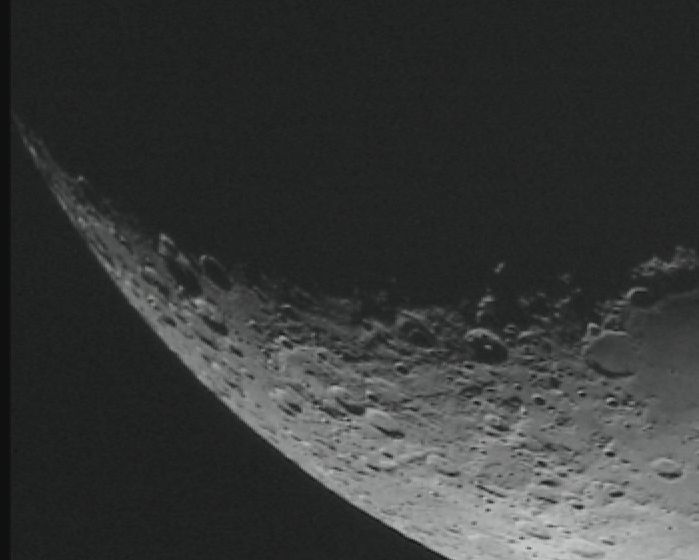
Clavius again... just love the arc of craterlets inside...

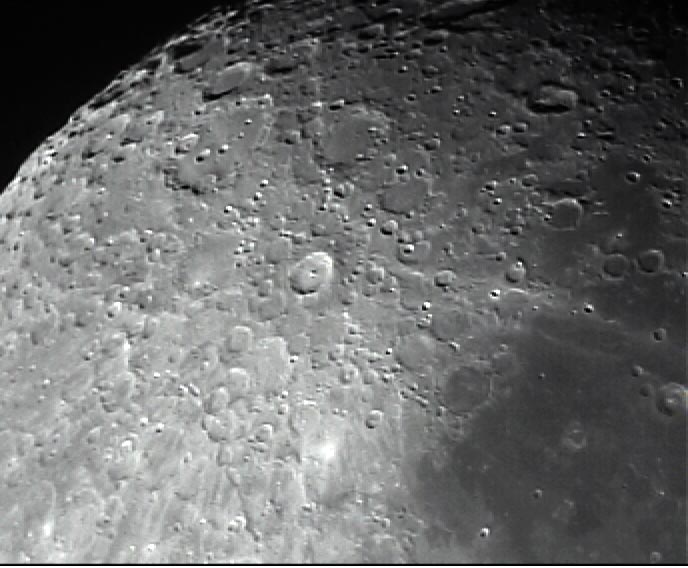
Tycho rays..

Monday, October 02, 2006

Oct 02 '05 Luna continued

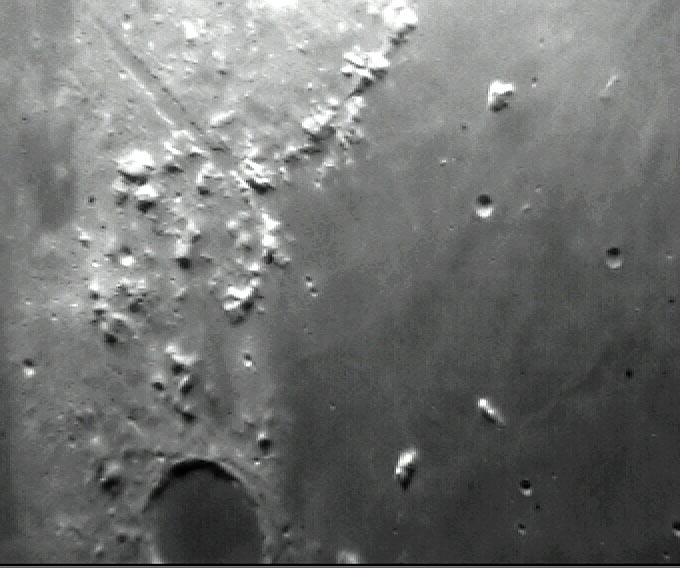
Vallis Alpes -'Alpine Valley' and Plato below

Note the sharp shadow at Cape Laplace .
The 'C' shaped formed the Sinus Iridum

Clavius

Saturday, September 30, 2006

Luna - Revisited in video

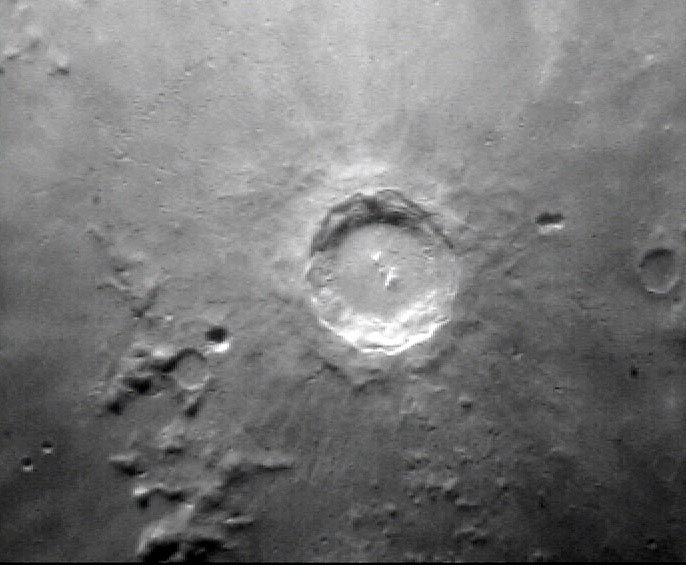
Oct 02 - Copernius and the fused twin tiny crater of Fauth /Fauth A

Copernicus at edge of terminator

Upper side down - Rabbit's ears
can you locate the comet-like ejecta ray of Messier..

Clavius with its craterlets inside and the heavy shadows.

The trio craters - Catharina, Cyrillus and Theophilus ( left to right)


C8 prime focus + mintron + sony walkman+ UFOcapture. Bad sky but the lunar features were plainly visible in the video walkman's screen.

Wednesday, September 13, 2006

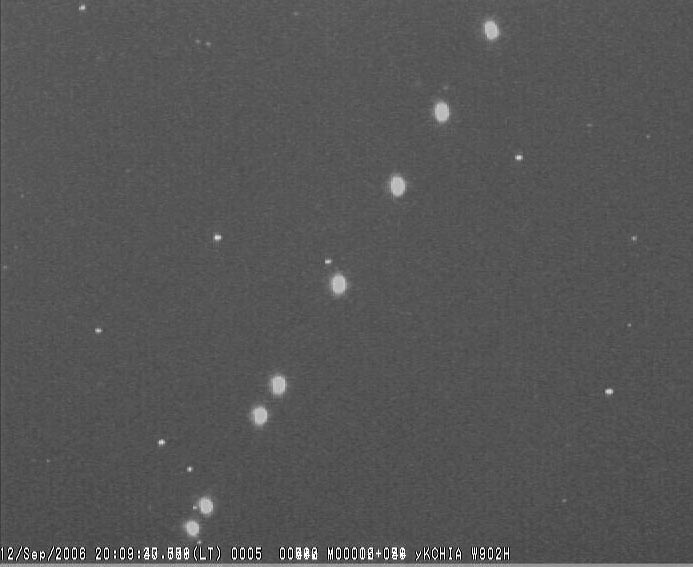
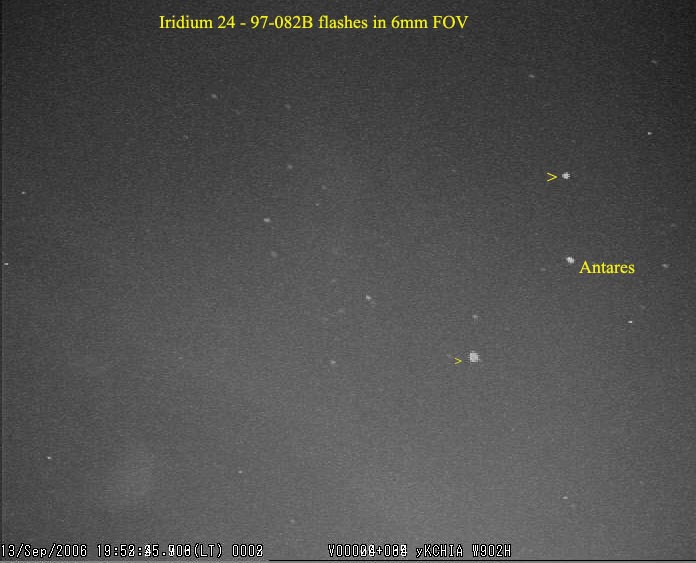
Iridium 24, 97-082B two bright flashes

Two round dots were seen on adjacent frame. Video playback indicates the work of a flashing sat. Using ID, the object was ID to be Iridium #24 or 97-082B. At 6mm FOV only very bright flashes were detected.

Tuesday, September 12, 2006

docked STS-115 & ISS Sept 12

ISS+STS-115 sailed pass the
Teapot (above) slowly losing brighness
before disappearing into Earth's shadow (below).
Locations of visitors to this page